Concluding its participation at COP17, CSN Lab, together with EUNIC Armenia and the European Union in Armenia, presented Green Armenia: Towards Sustainability in Culture, a study exploring the relationship between culture and environmental sustainability in Armenia.
Conducted by the Cultural and Social Narratives Laboratory (CSN Lab), the research examines how Armenia’s cultural and creative sectors engage with environmental questions and how they can contribute to wider ecological change. It starts from a simple premise: Armenia’s green transition is inseparably connected to public perceptions, behavioural changes, and ways of interpreting the past and imagining the future.
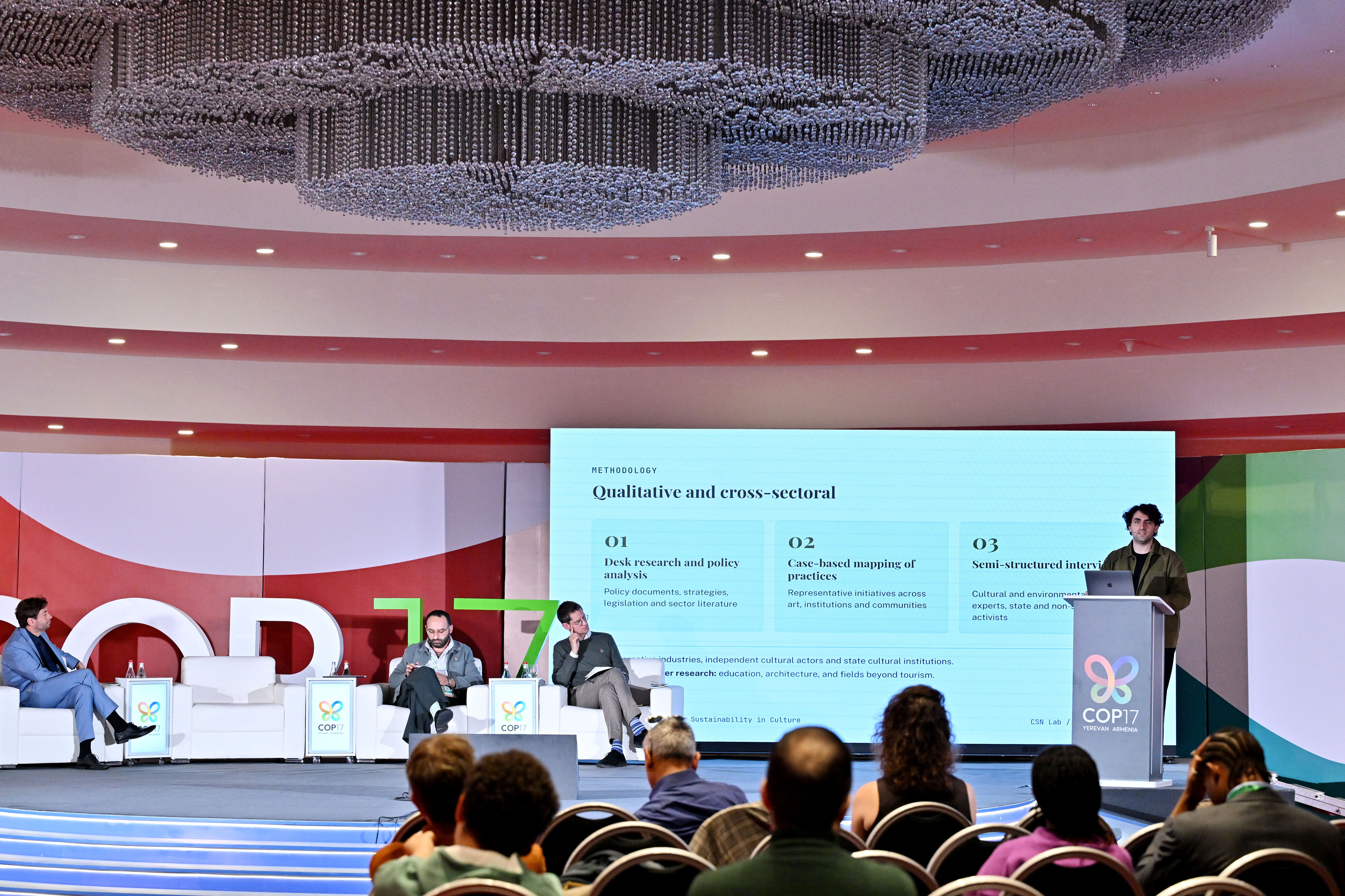
The research examines the experiences and sustainability practices of independent artists, cultural practitioners, and governmental and non-governmental organisations. It maps existing efforts, identifies emerging approaches, and explores the structural challenges that hinder the sector’s sustainable development. Green Armenia also proposes ways to improve existing conditions and strengthen emerging approaches, helping these practices become part of a more sustainable cultural ecosystem.
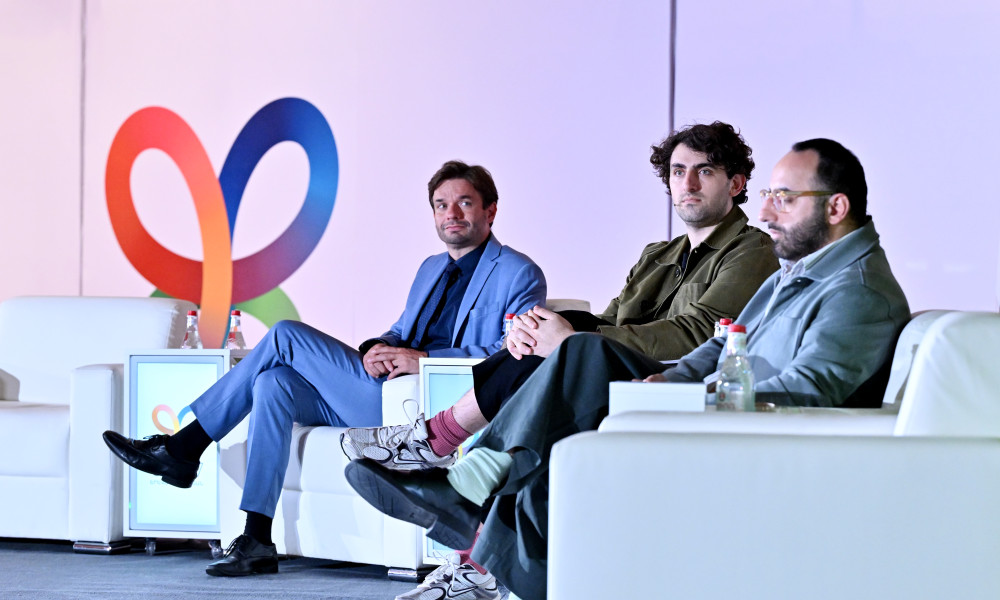
The book launch included a presentation and panel discussion with Václav Štěrba from the EU Delegation to Armenia, Dr. Jan-Tage Kühling from EUNIC Armenia, and the publication’s co-authors, Dr. Tigran Amiryan and Arsen Abrahamyan from CSN Lab. Václav Štěrba opened the event by highlighting the importance of environmental action and support for Armenia’s green transition. Dr. Jan-Tage Kühling introduced the wider Green Armenia project implemented by EUNIC Armenia, outlining its main objectives and mission.
Co-authors Arsen Abrahamyan and Dr. Tigran Amiryan presented the research. Arsen Abrahamyan outlined its methodology, the target groups involved, and the main findings. He presented existing approaches to sustainability across Armenia’s cultural and creative sectors, discussing both emerging practices and the challenges that limit their development. He explored how cultural actors respond to environmental questions through their work, with particular attention to the support needed to strengthen this engagement.
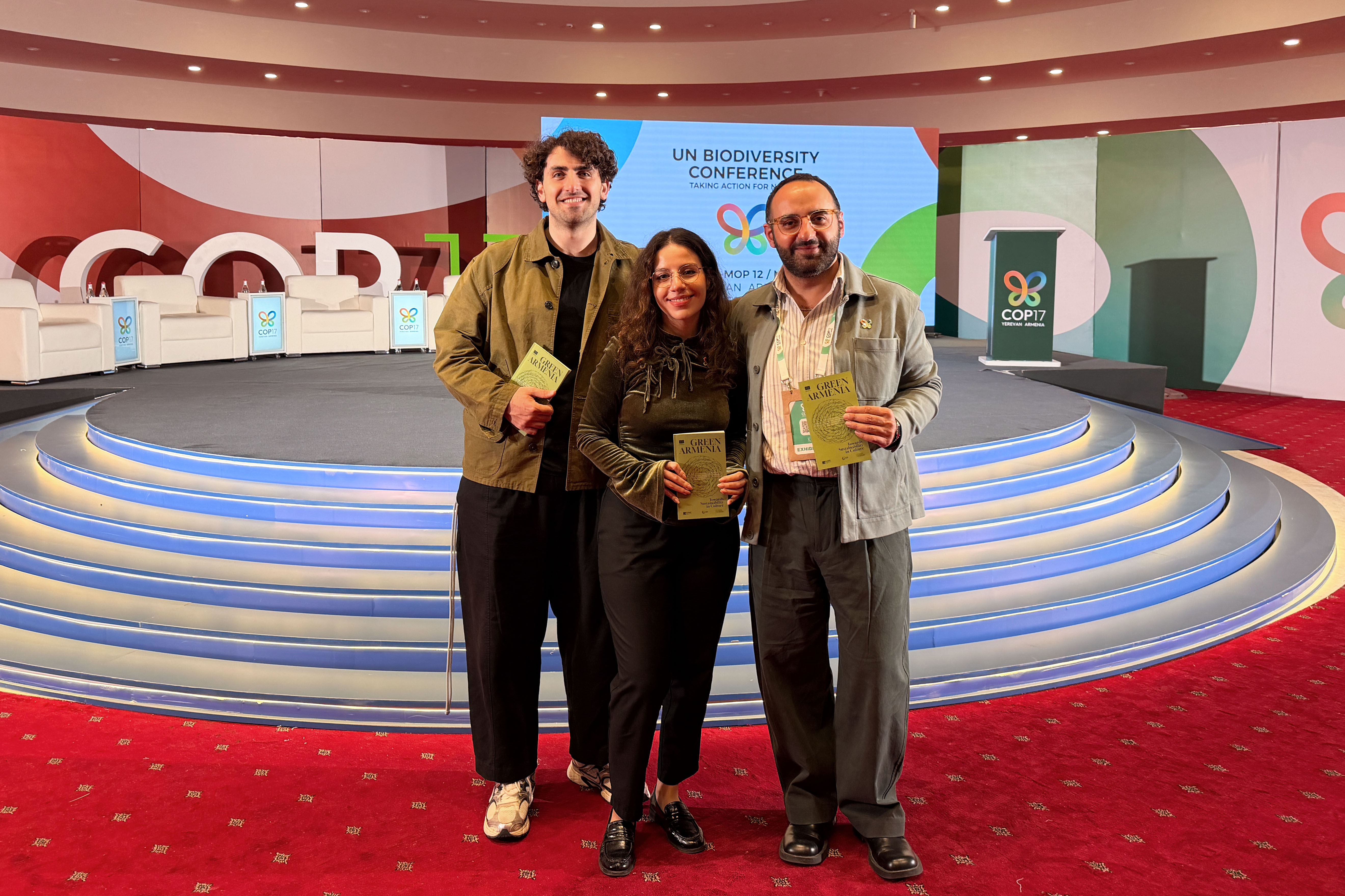
Dr. Tigran Amiryan addressed the urgent need for cooperation between the cultural and environmental sectors. He emphasised culture’s central role in Armenia’s green transition, including its capacity to shape public perceptions, encourage dialogue, and connect environmental concerns with everyday experiences. Drawing on the research findings, he presented recommendations for strengthening cross-sectoral partnerships, building capacity, and integrating sustainability principles into cultural practice and policy. He highlighted the preliminary study’s role as a basis for further research, dialogue, and coordinated action in Armenia.
As the first study on culture and sustainability in Armenia, Green Armenia outlines the main directions for change while emphasising the need for sustained work in these areas. Its findings and recommendations provide a starting point for further research, cooperation, and advocacy.
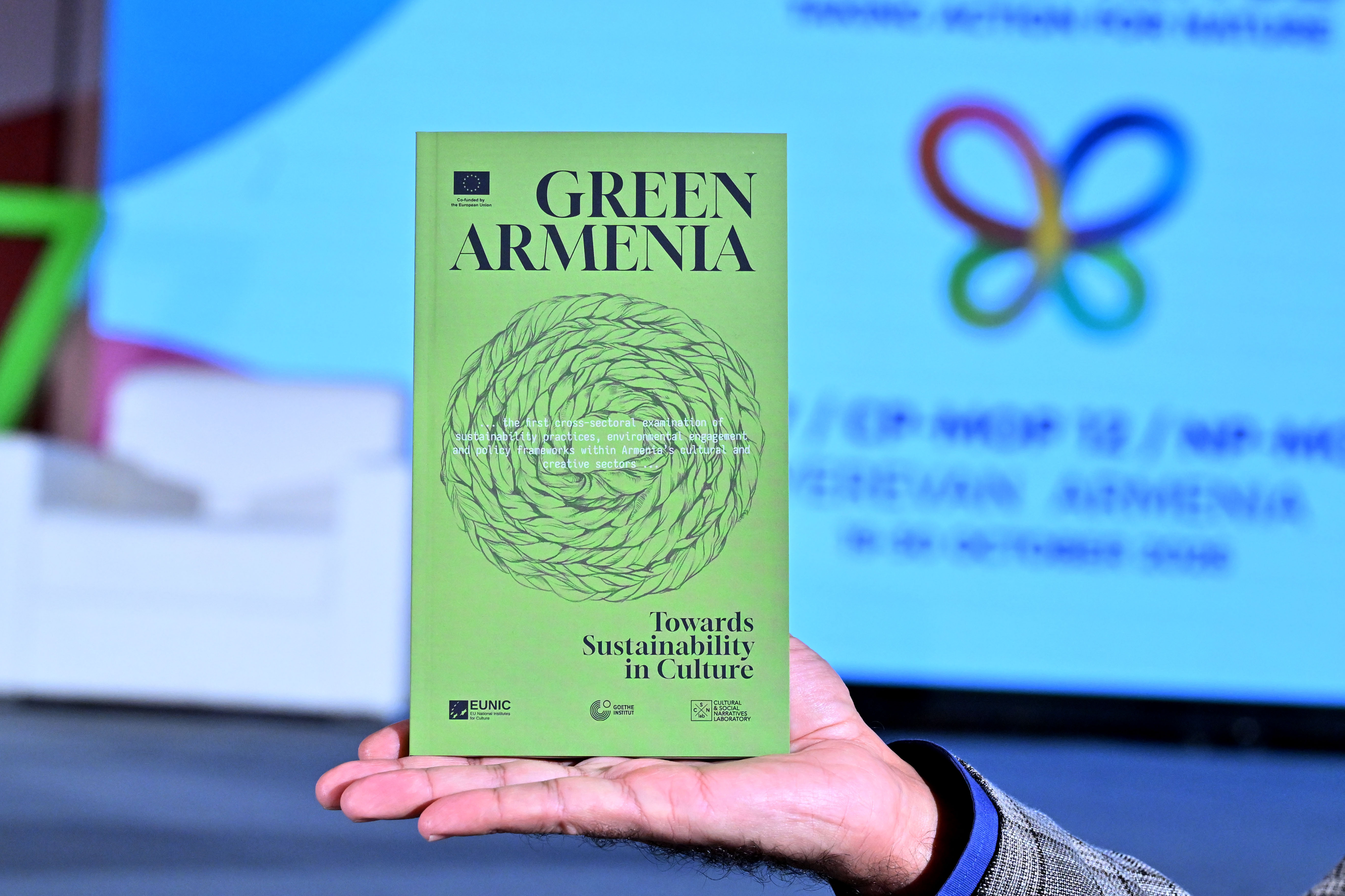
This work forms part of CSN Lab’s commitment to connecting cultural practice with environmental responsibility. Following the launch, CSN Lab will continue presenting the research and advocating for its recommendations among cultural actors, environmental organisations, and policymakers, working to translate these findings into lasting partnerships and practical change.
This publication was co-funded by the European Union. Its contents are the sole responsibility of the Cultural and Social Narratives Laboratory (CSN Lab) and do not necessarily reflect the views of the European Union.