other stories: queer autofiction(s) now
queer autofiction and the politics of the body

As part of its Gender Mainstreaming Programme, CSN Lab initiated educational initiative Other Stories, a project dedicated to alternative education, community-building, and the promotion of discourse around LGBTQ+ rights, representation, and visibility. Through literature, art, philosophy, and critical theory, the project creates a space for engaging with questions of gender, sexuality, memory, and identity while fostering more inclusive cultural conversations in Armenia and the South Caucasus.
The first public programme of the project brought together lectures and collective discussions devoted to queer autofiction, one of the most influential literary forms through which contemporary writers explore subjectivity, embodiment, and the politics of lived experience. Avoiding positioning autofiction as a narrowly defined genre, the programme examined it as a literary, philosophical, and political practice through which bodies, memories, and identities are continually rewritten.
Beginning with the emergence of autofiction and its distinction from autobiography, the discussions revisited Philippe Lejeune’s autobiographical pact before turning to Serge Doubrovsky, whose coining of the term autofiction fundamentally transformed the possibilities of writing the self. His intervention shifted attention away from fixed literary categories and toward a mode of writing that embraces fragmentation, contradiction, and the instability of identity, opening the way for the diverse forms of autofiction that continue to evolve today.
Questions of authorship, memory, and subjectivity were further explored through the writings of Roland Barthes. His reflections on forgetting and on the relationship between the author and the text invited participants to reconsider identity not as a stable essence but as something continuously produced through language, representation, and lived experience. Autofiction emerges as a space where identity remains unfinished, fragmented, and permanently open to revision.
Throughout the programme, psychoanalysis became one of the central intellectual frameworks for understanding autofiction. Jacques Lacan’s influence revealed writing not simply as the narration of experience but as a response to reality itself, an attempt to approach memories, desires, and identities that can never be fully recovered. Memory emerges not as a continuous narrative but as a fragmented landscape whose absences can become as significant as its recollections.
Among the writers discussed, Hervé Guibert occupied a central place. As one of the most important practitioners of autofiction, his work opens questions that extend far beyond literature itself. Photography and writing appear not as separate artistic practices but as intertwined ways of approaching memory, intimacy, illness, and the body. Instead of documenting only extraordinary events, Guibert repeatedly returns to seemingly insignificant encounters and everyday gestures, suggesting that these moments can carry profound emotional and political weight.
His photographic practice, his writings on HIV/AIDS, and his dialogue with Michel Foucault transformed personal experience into a powerful archive of vulnerability, illness, and visibility. Works such as L’Image fantôme and Suzanne et Louise demonstrate how absence, family memory, photography, and writing continually reshape one another, while his later works and films document the experience of illness with extraordinary intimacy. At the same time, Guibert’s writings on travel, desire, and photography invite critical reflection on the asymmetries of age, race, mobility, and colonial power that complicate representations of queer intimacy. Rather than resolving these tensions, the programme approached them as central to understanding the ethical and political dimensions of autofiction itself.
As the discussions progressed, autofiction increasingly emerged as a way of thinking not only about personal identity but also about the relationships between bodies, histories, and political realities. The body was approached as simultaneously intimate and collective, shaped by memory, sexuality, language, illness, class, and the enduring legacies of colonialism. Concepts such as le corps prostitué, the economy of desire, and the colonial body expanded the conversation beyond autobiography toward broader questions of power and representation.
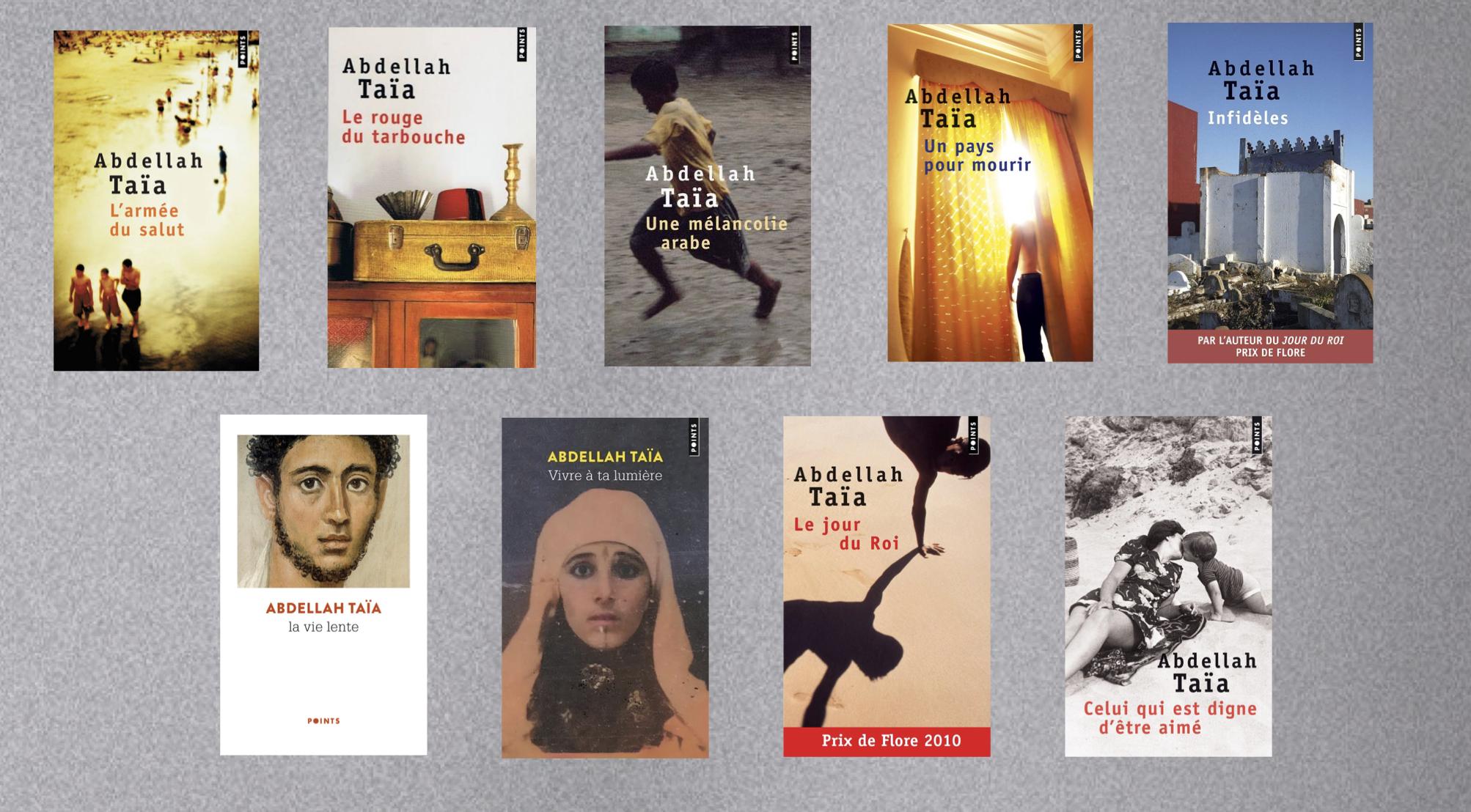
The programme also turned toward Francophone North African writing, where autofiction becomes inseparable from questions of colonial history, language, migration, gender, and cultural memory. Through the works of Assia Djebar, Nina Bouraoui, and Abdellah Taïa, participants explored how writing the self can also become a way of writing family histories, multilingual identities, urban experience, and displacement. French emerges simultaneously as the language of colonial domination and as a literary medium through which women and queer authors have articulated forms of subjectivity that remained difficult to express elsewhere.
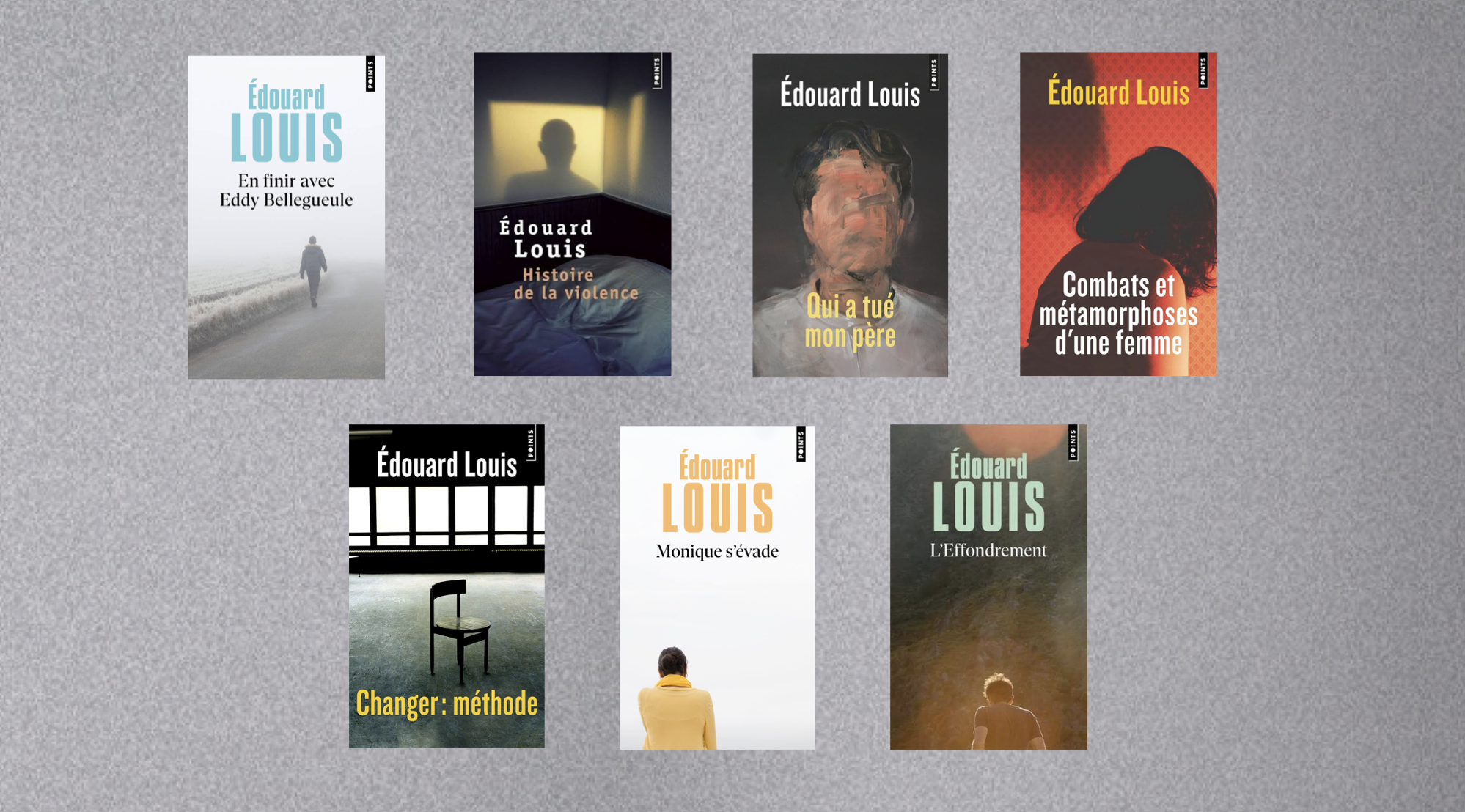
The final discussions expanded these questions through contemporary French autofiction. The writings of Annie Ernaux, Didier Eribon, and Édouard Louis demonstrate how individual lives are inseparable from broader social structures. Ernaux’s practice of auto-socio-biography repositions personal memory within questions of class, education, and generational distance, revealing how writing family history can also become a form of social analysis. Eribon’s reflections on returning to his working-class background further connect sexuality, class mobility, and political identity, while Édouard Louis’s works explore the intersections of poverty, homophobia, masculinity, violence, and structural inequality. Across these authors, the personal continually unfolds as a collective and political experience.
The programme also invited participants to consider these questions within Armenian literary history. Revisiting the writings of Zabel Yesayan, the discussions reflected on the distance sometimes required to write the self, on how memory may be reconstructed through geographical, temporal, and emotional displacement. Writing the self thus emerges not as the recovery of an authentic past but as an ongoing negotiation between remembrance and forgetting, intimacy and distance.
Across the programme, recurring questions connected authors working in different historical, linguistic, and cultural contexts. How is the self written? What happens when memory is fragmented? How do photography and literature become complementary forms of testimony? In what ways do illness, sexuality, language, migration, and class reshape the possibilities of self-representation? These discussions demonstrate how autofiction continually unsettles the boundaries between the personal and the political, between individual memory and collective history.
Bringing together literature, philosophy, photography, psychoanalysis, queer theory, and postcolonial thought, Other Stories approaches autofiction not simply as a literary genre but as a critical practice through which bodies, relationships, histories, and political realities become legible. By combining public lectures, collective reading, and dialogue, the project continues to create spaces where diverse experiences and forms of knowledge can be encountered, shared, and reimagined through literature.
Ultimately, the programme proposes that writing the self is never only about the self. It is a way of writing bodies, relationships, histories, languages, and the political conditions that make a life possible.
“Other Stories” has been implemented by the “Cultural and Social Narratives Laboratory” (CSN Lab) with the financial support of the “Pink” human rights defender NGO and Sweden.